About
Arts Education Leader
More than 30 years of teaching, from pre-K through university, and one belief: every student deserves an effective arts education.
My story
I am the Dance Teacher and Fine Arts Department Lead at Woodland High School. I teach students in grades 9–12 in ballet, jazz, modern, contemporary, and musical theatre dance. In addition to classroom instruction, I serve as co-producer and choreographer for school-wide musical productions and fine arts performances.
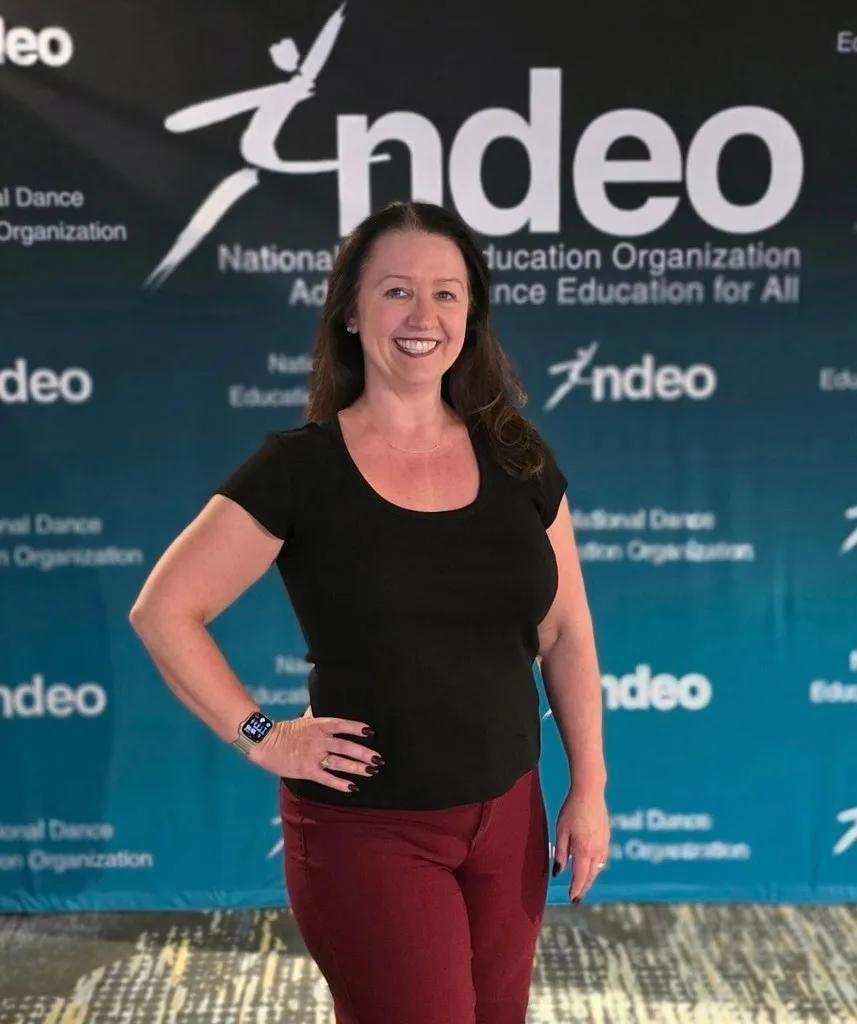
I was a presenter at the 2025 National Dance Education Organization Conference, where I presented on inclusive dance education practices. I also contributed to the development of the Georgia Department of Education Dance Power Standards in 2005.
As Fine Arts Department Lead, I facilitate collaboration across the Fine Arts Department and coordinate department-wide initiatives and events, including the annual Veterans Day program. I manage the Fine Arts and Performing Arts Center scheduling and oversee all third-party facility rentals. I also partner with community organizations to support and fund concerts, productions, and other arts initiatives.
I have more than 30 years of experience in dance education, including 15 of those years in public schools. I love giving students opportunities to experience dance and the performing arts while encouraging creativity, physical wellness, discipline, and personal growth. My goal is to inspire students to develop skills and habits that contribute to lifelong success and meaningful community involvement.
I hold a B.S.Ed. in Dance Education from the University of Georgia and both an M.S.Ed. and Ed.S. in Educational Leadership from Jacksonville State University. I also hold Advanced Leadership Certification (Tier 2).
Teaching philosophy
Pedagogical priorities
- Educating children is a personal and relational endeavor. Students learn most effectively when they feel seen, supported, and valued as individuals within a positive learning environment. Creating a classroom culture that fosters safety, belonging, and encouragement empowers students to embrace challenges and take meaningful risks in their learning. When students feel understood and respected, they are more likely to invest in their own growth, contribute positively to the classroom community, and strive for excellence in support of both their peers and their teacher.
- Teaching employability/soft skills through dance (and fine/performing arts) helps students be successful post-graduation. In my classroom, I intentionally teach and reinforce skills that support student success both in the learning environment and beyond. Students are held accountable for habits that promote responsibility and professionalism, including punctuality, consistent attendance at classes and rehearsals, maintaining clear and respectful communication, collaborating effectively within groups, demonstrating empathy and social awareness, and developing conflict-resolution skills. These competencies are embedded into the collaborative nature of my courses and are essential to building a strong, team-oriented classroom culture. Beyond supporting success in the arts, these skills prepare students to become engaged, productive, and contributing members of their communities as young adults.
- Fine Arts Education is beneficial for all students and should be made accessible to all, therefore I ensure there is space for special education students to participate in dance if they desire. The fine and performing arts provide a unique environment where students of all ability levels can learn, collaborate, and grow together. Within this setting, meaningful and rigorous learning opportunities can be created to meet the needs of every student, from those requiring additional support to those performing at the highest academic levels. Fine Arts education offers more than content mastery; it creates opportunities for students to develop deeper self-awareness, build meaningful connections with others through collective empathy, and discover their individual strengths and voices.
As an advocate for inclusive Fine Arts education, I intentionally design instruction that ensures all students have access to authentic, engaging, and challenging artistic experiences. My commitment to inclusive practices and educator leadership has also extended beyond the classroom through participation in a nationwide professional learning community through the Connected Arts Network and National Dance Education Organization, which focused on inclusive arts education practices and teacher leadership. In 2025, I had the opportunity to present on inclusive dance education practices at the National Dance Education Organization Conference in Detroit, Michigan, where I shared this philosophy and highlighted the impactful work of my students with dance educators from around the nation.
Lessons learned as an educator
- Let students tell you what they need - no assumptions based on a label.
- Use your caseload managers, therapists and especially paraprofessionals - and get them dancing.
- Adapt classroom supports from other subjects for dance.
- Don't change the standard; change the instructional method.
- Teach the class together, and let it teach itself.